Many people receive Electronic Benefit Transfer (EBT) benefits, which help them buy food. But when tax season rolls around, a big question comes up: Is EBT considered taxable income? It’s a really important question because it affects how much you might owe in taxes, or if you even need to file at all. This essay will break down the basics of EBT and taxes, helping you understand whether these benefits are something you need to worry about come tax time.
Is SNAP (EBT) Taxable?
Let’s get straight to the point: Typically, SNAP benefits (also known as EBT for food assistance) are not considered taxable income by the IRS. This means you generally don’t have to report them on your tax return. The government designed these benefits to help people afford food, and taxing them would defeat that purpose.
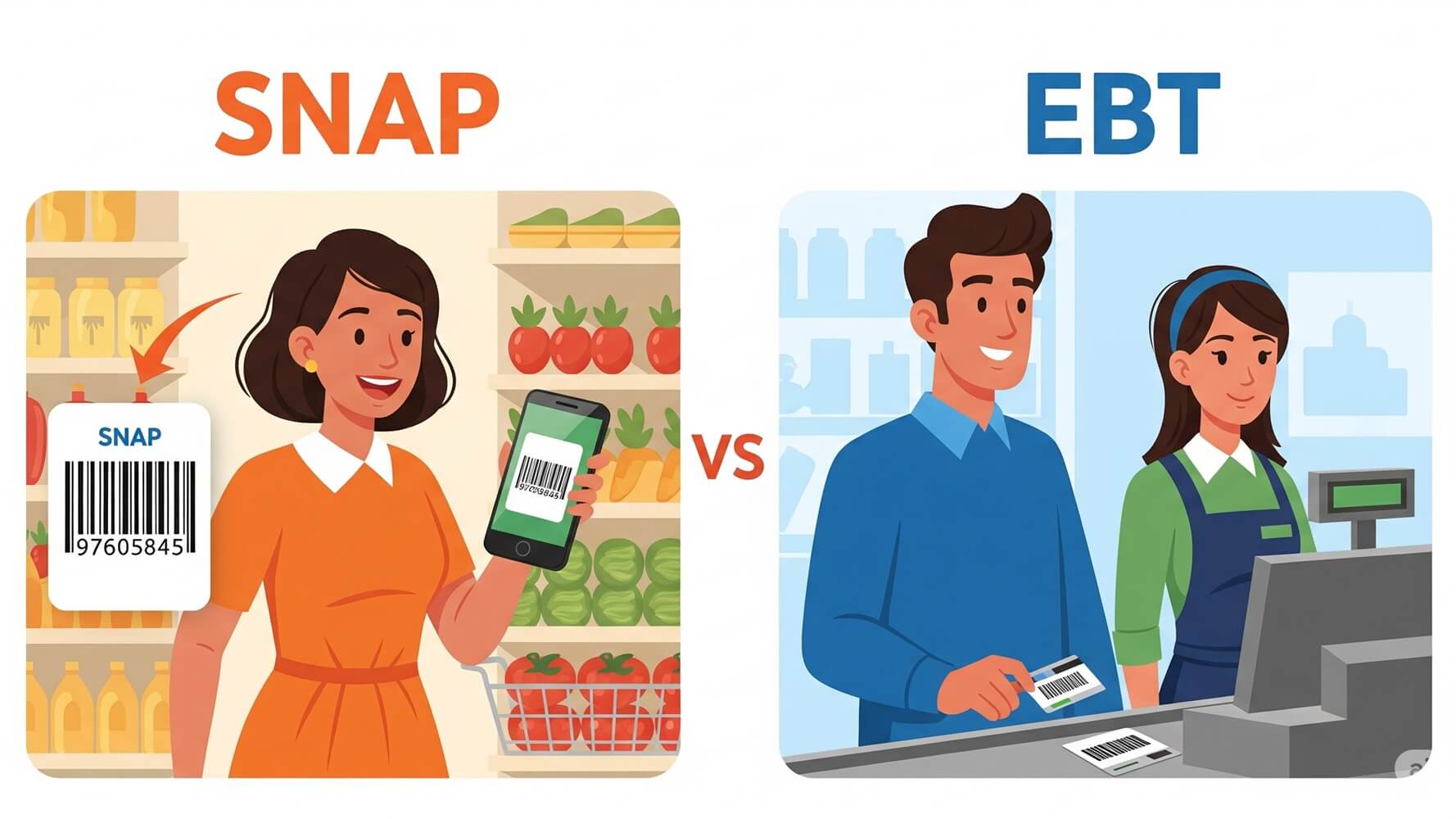
What About Other EBT Programs?
While SNAP is usually tax-exempt, it’s good to know that not all EBT programs are treated the same way. Some programs, like those providing cash assistance, might have different rules. Some programs that give you cash benefits might be considered taxable. These are often programs meant to help with other needs, like housing or utilities. It’s crucial to understand which program your EBT card is for, as each type has different tax implications.
Here are some examples of different types of programs and their typical tax situations:
- SNAP (Food Stamps): Generally NOT taxable.
- TANF (Temporary Assistance for Needy Families): Might be taxable, depending on the state and how the funds are distributed.
- General Assistance (GA): Often taxable.
Understanding the specific program you’re receiving benefits from is the first step in figuring out its taxability.
To find out the exact tax rules, check your specific state’s guidelines. Your state’s Department of Human Services website or the agency that manages your EBT benefits will have the most accurate information. You can also look at the terms and conditions documents associated with your EBT card or program enrollment.
It’s a good idea to keep records of all the EBT benefits you receive, just in case you need them. This will help if there’s any confusion or if you need to prove you did or didn’t receive a certain type of income. Keep all documents related to your EBT card safe, and accessible.
Does the Amount of EBT Matter?
The amount of EBT benefits you receive usually doesn’t change whether or not it’s taxable. Whether you get a little bit of help or a lot, SNAP benefits, for example, are typically not taxable.
However, it’s a good idea to keep track of all the benefits you receive, just to be safe. Even if the income isn’t taxable, it’s always useful to have records in case there’s a question about it.
Here is a list to help you organize your records:
- Keep all statements from the EBT program.
- Write down how much money you receive each month.
- Organize the information in a file.
This way, you can easily find your records if you need to.
Regardless of the amount, it’s important to remember that EBT income is generally not taxable for SNAP benefits. It’s essential to find out the tax rules of the program that you’re receiving. Knowing this will help make tax time less confusing.
What About Other Financial Assistance?
It’s important to remember that while SNAP is usually tax-exempt, other forms of financial assistance might be taxable. For example, if you receive unemployment benefits, those are considered taxable income by the IRS.
Different types of government assistance have different tax rules. Here are some general guidelines:
- SNAP (food assistance): Usually NOT taxable.
- Unemployment benefits: Taxable.
- Cash assistance: Might be taxable, depending on the program and the state.
Always check the official information for the specific programs you are receiving, or ask a tax professional. Keeping this straight can be complicated, but understanding the rules for each kind of assistance is key to filing your taxes correctly.
It’s also helpful to keep a record of ALL financial assistance you receive throughout the year. This will help you when tax time comes around. Being prepared can save you time and stress.
How to Find Information About Taxes and EBT
The best place to find information about whether your EBT benefits are taxable is through your state’s Department of Human Services or the agency that issues your EBT card. They will have up-to-date information specific to the programs they administer. They should also have information sheets that inform you of the tax consequences, if any, of their programs.
Here are some places you can look for the most accurate information:
| Information Source | What to Expect |
|---|---|
| State Department of Human Services Website | Specific information about your state’s EBT programs and tax rules. |
| IRS Website | General information on taxes and government benefits, but may not have specific program details. |
| Tax Professional | Personalized advice and help with filing your taxes. |
You can also talk to a tax professional. They can help you understand the rules and make sure you’re filing your taxes correctly. They can help you understand the tax rules and the specific programs you are involved in. They can help you avoid penalties.
Remember, getting the right information is important. Make sure your sources are official and reliable.
What If I’m Not Sure?
If you’re unsure about whether to include your EBT benefits on your tax return, it’s always a good idea to seek expert help. This can be through the IRS website or by asking a tax professional. A tax professional can look at your specific situation and give you personalized advice.
Here are some resources that can help:
- The IRS website provides information on various tax topics.
- Volunteer Income Tax Assistance (VITA) and Tax Counseling for the Elderly (TCE) programs provide free tax help.
It’s better to be safe than sorry when it comes to taxes. If you are not sure, ask someone! Getting expert advice will prevent you from making any mistakes on your tax return.
Don’t hesitate to ask questions! Tax rules can be confusing, so don’t worry about feeling uncertain. It’s better to get clarification and ensure accuracy.
What Happens if I Make a Mistake?
If you accidentally make a mistake on your tax return about your EBT benefits, don’t panic. The IRS usually sends a notice if they find an error.
Here’s what you should do if you make a mistake:
- Respond to the notice: Read the notice carefully and follow the IRS’s instructions.
- Gather your records: Have all your EBT benefit information ready.
- Correct the mistake: You may need to amend your tax return, which means correcting the information.
Correcting a mistake on your tax return can be a simple process, and you should take action to resolve it quickly. If the mistake is more complex, or you don’t understand the notice, it’s a great idea to get help from a tax professional.
The IRS may impose penalties and/or interest, so correcting any errors is important. But generally, if you act quickly, the consequences of a mistake can be manageable.
Conclusion
In conclusion, knowing whether EBT is taxable income is an essential part of understanding your tax obligations. For SNAP benefits, the answer is generally no, but it is important to check the rules for all financial assistance you receive. Always keep records of your benefits and seek help if you’re not sure. By being informed and prepared, you can navigate tax season with confidence and make sure you’re meeting all of your tax obligations correctly.